

$29.90
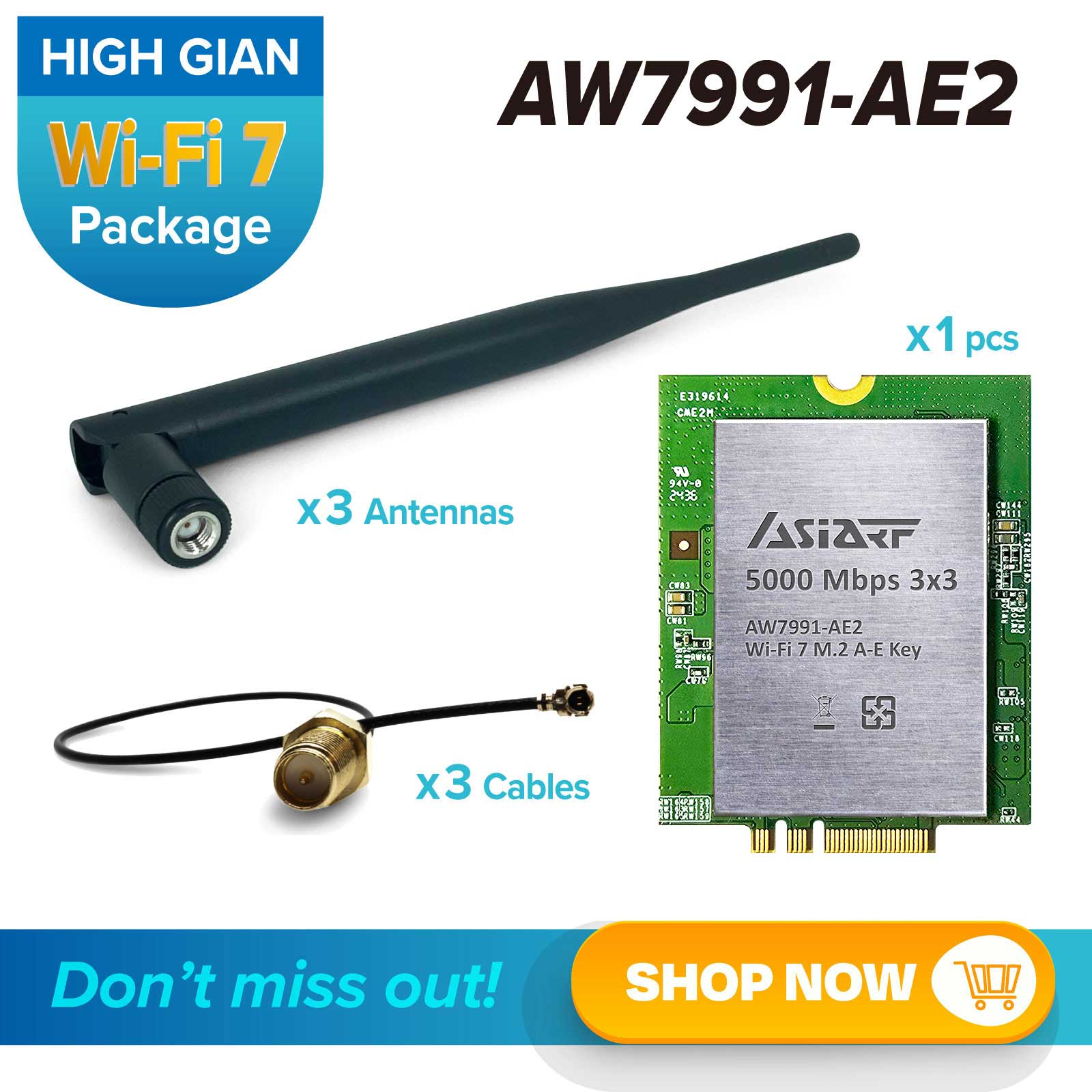
Designed for fast deployment and easy integration, this bundle delivers a complete, ready-to-use solution for demanding applications.
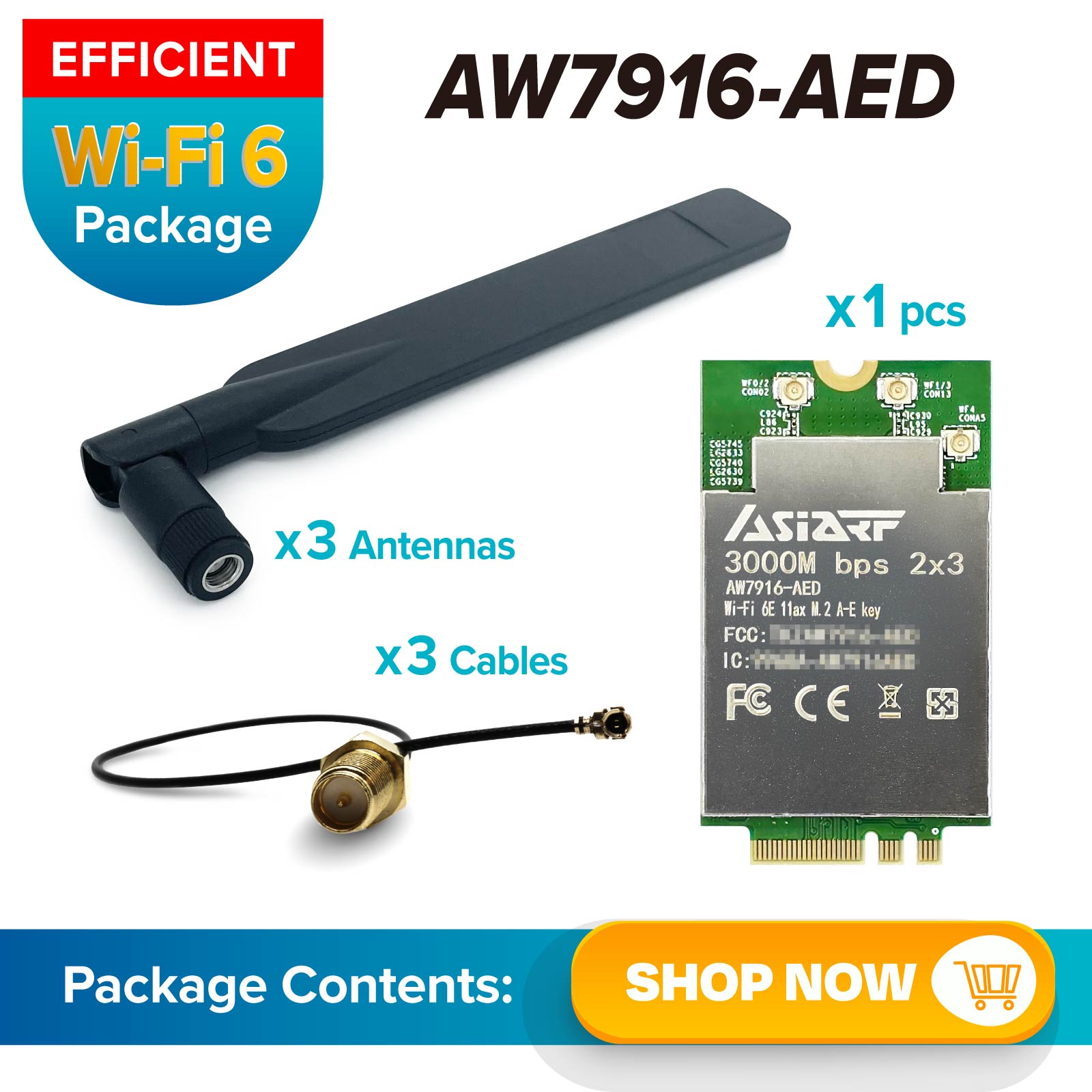
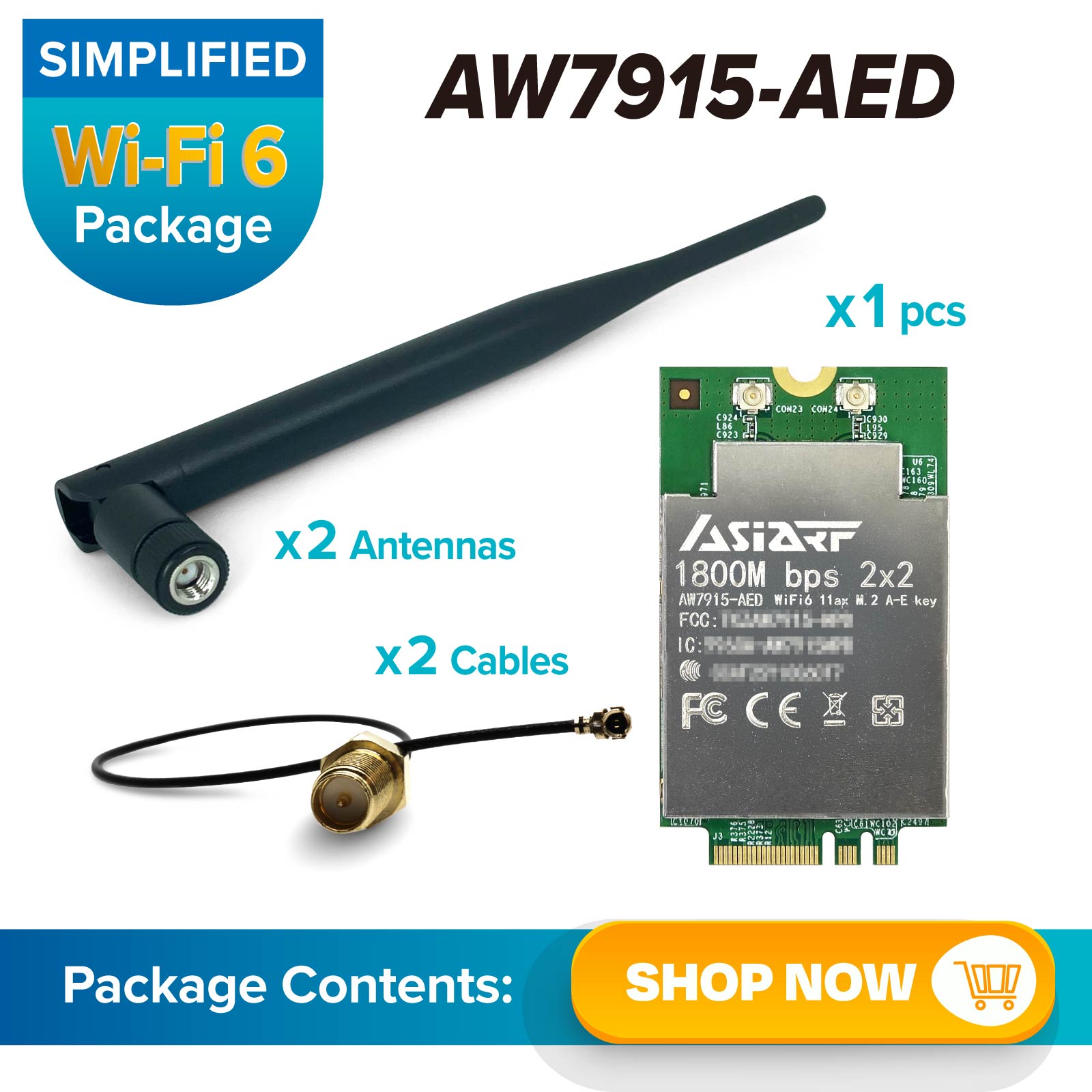
Seamlessly upgrade your wireless performance with our all-in-one bundle. Featuring the AW7915-AED Wi-Fi 6 M.2 AE Key module, dual high-performance coaxial cables, and dual-band (2.4/5GHz) dipole antennas—engineered for stable, high-speed, and reliable connectivity.
|
|
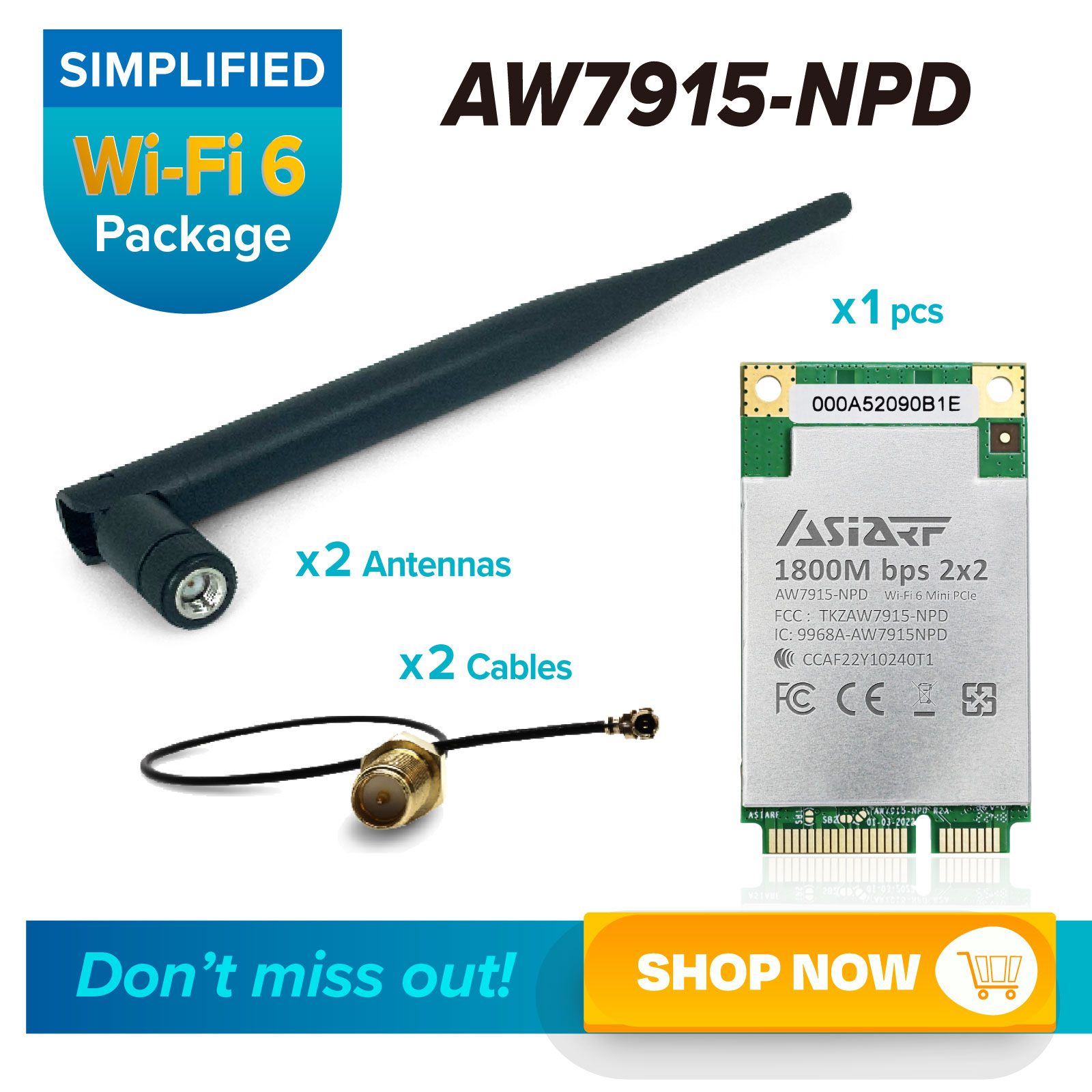
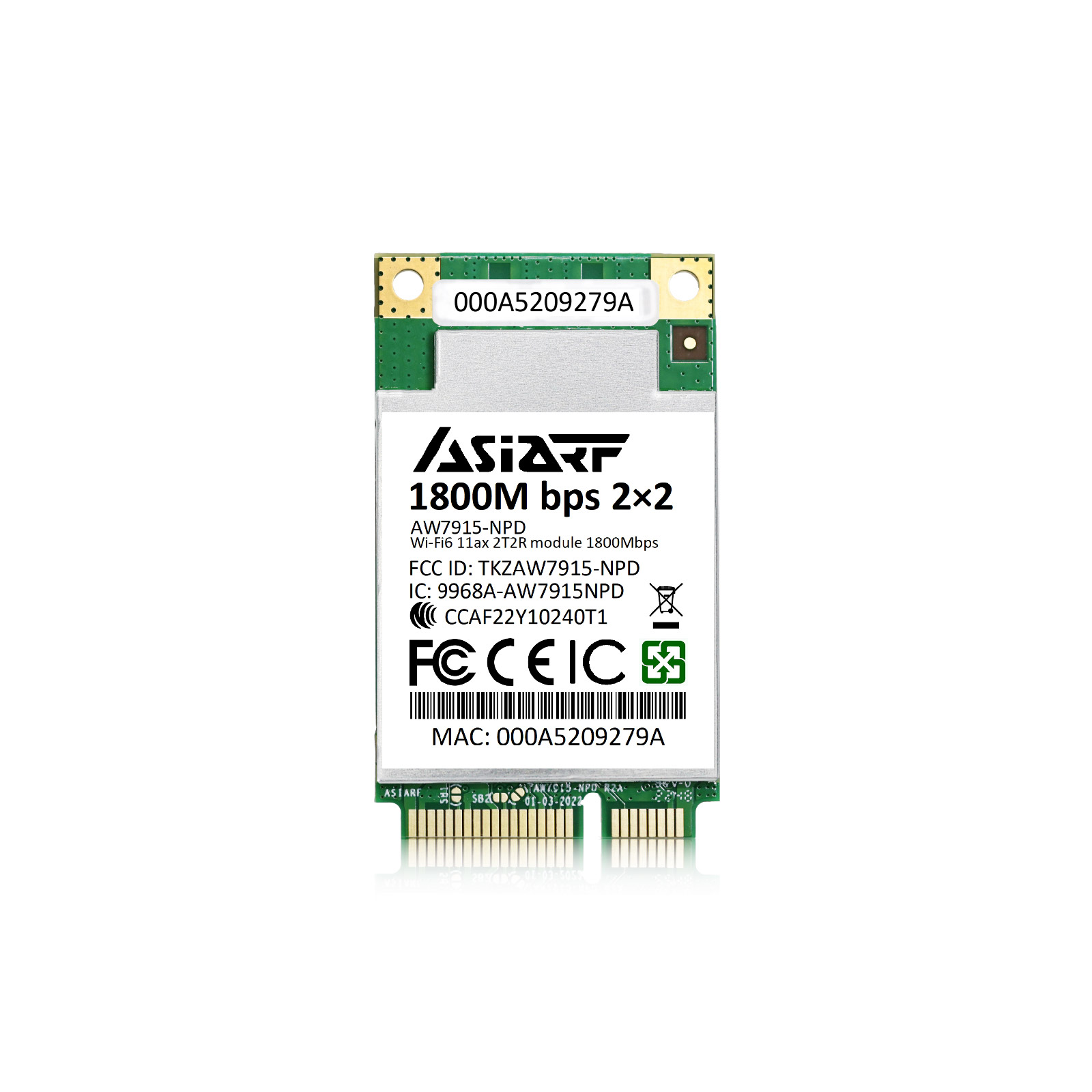
Module : AW7915-NPD Wi-Fi 6 M.2 AE Key Module *1pc Powered by MediaTek MT7915DAN, compliant with 802.11ax/ac. Supports 2T2R (2 spatial streams) with 4 RF connectors, configurable for dual-band dual-concurrent (DBDC) operation. |
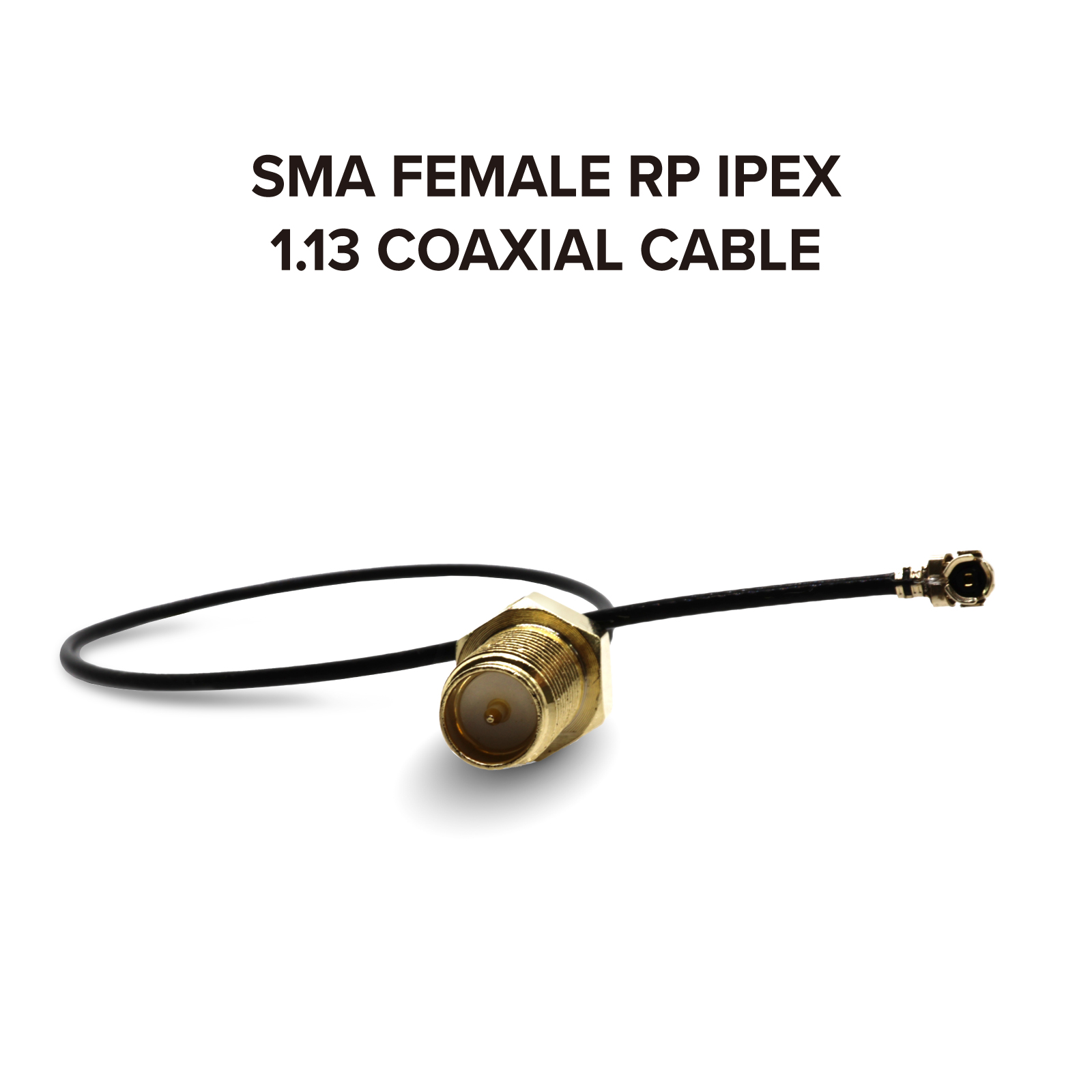 |
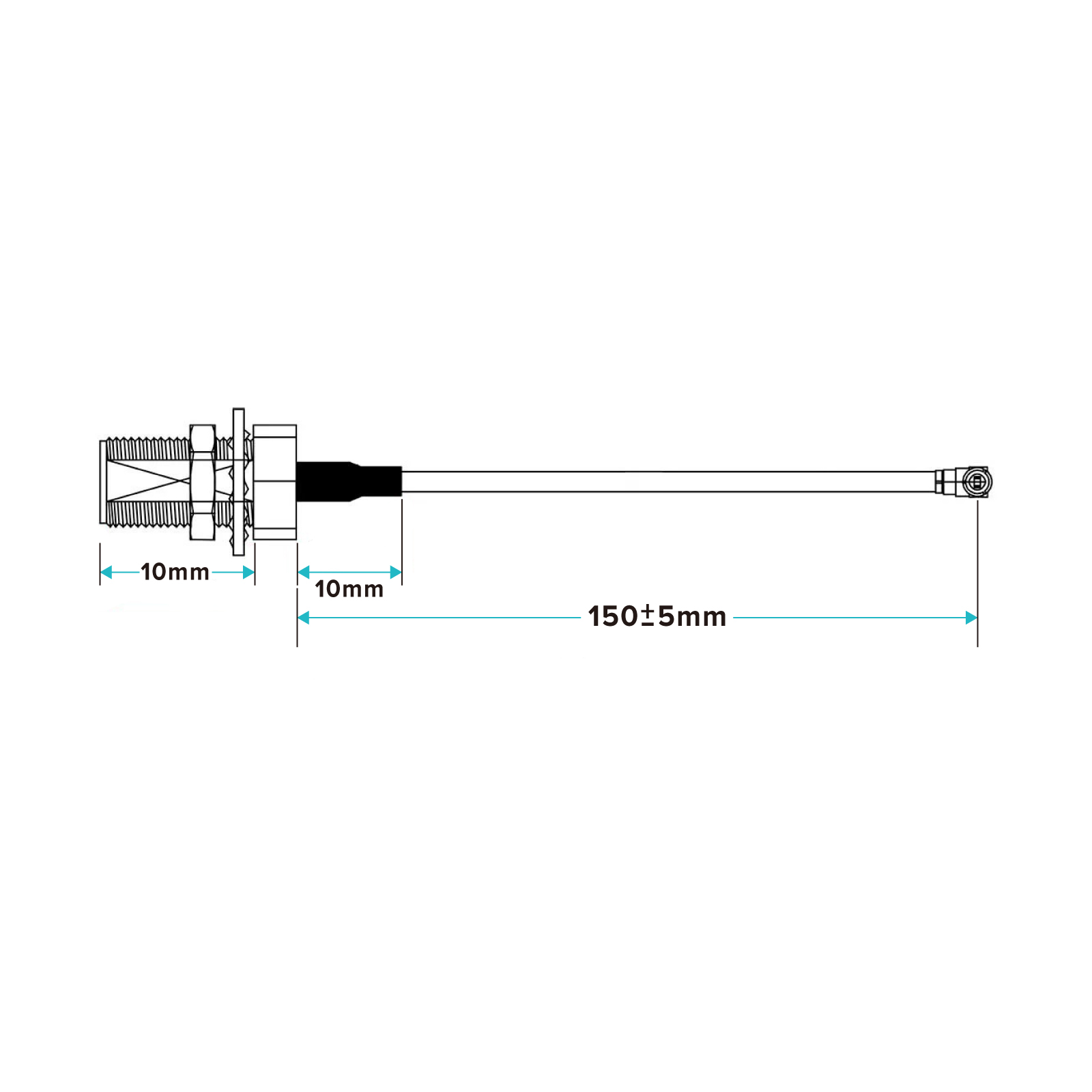
Cable : Coaxial Cable 1.13 diameter SMA RP IPEX Pigtail *2pcs Ensure optimal signal transmission with these coaxial cables, featuring RP SMA to IPEX connectors, designed for minimal signal loss and maximum reliability. |
 |
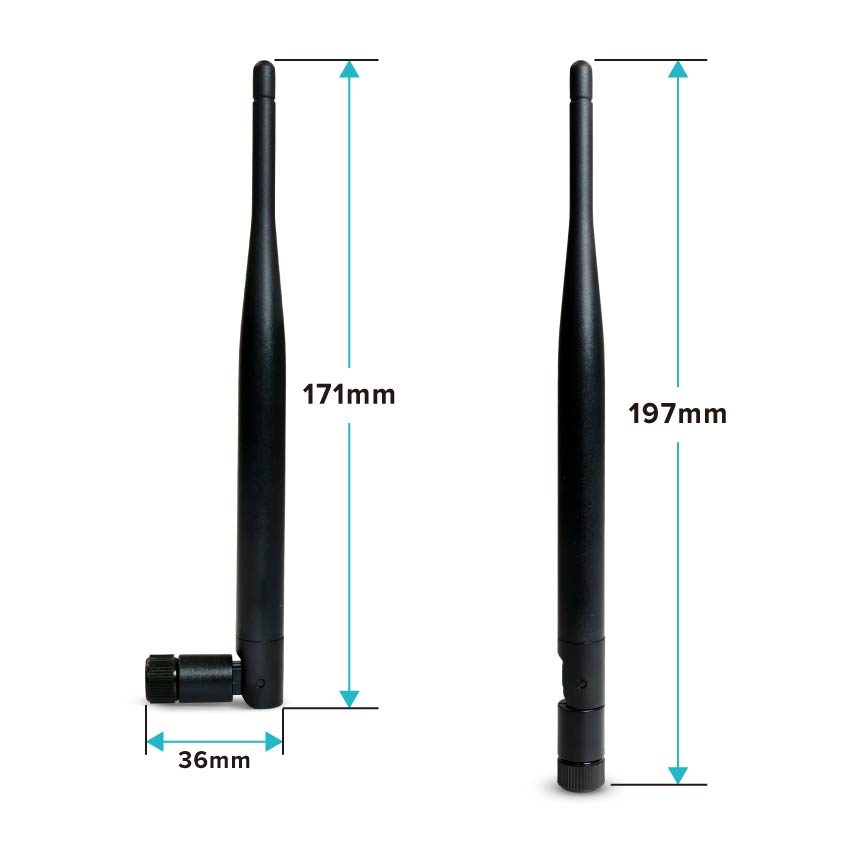
Antenna : Wi-Fi Dipole Antenna dual bands 2.4/5GHz 5dBi *2pcs This Wi-Fi antenna operates across dual bands with frequencies spanning 2.4 to 2.5GHz and 5.1 to 5.8GHz. Ideal for boosting connectivity in wireless communication systems. |
Power consumption maximum is 8–9W, typical 4–5W.
Main board power supply design requires 3.3V / 3A (minimum 3.3V / 2.5A)
This package features the AW7915-AED Wi-Fi 6 M.2 AE Key module, powered by the MediaTek MT7915 chipset, delivering a combined PHY rate up to 1800 Mbps (2.4GHz + 5GHz) with 2×2 dual-band dual-concurrent (DBDC) architecture. It ensures stable, high-speed connectivity across both 2.4GHz and 5GHz bands.
To provide a fully optimized RF solution, this bundle includes precision coaxial cables and dual-band (2.4/5GHz) 5dBi dipole antennas, eliminating compatibility concerns and significantly reducing development time.
Pre-certified with FCC, CE, IC, and NCC, this solution helps accelerate product deployment while lowering certification cost and complexity.
Ideal for industrial IoT, embedded systems, gateways, networking devices, and edge computing applications.
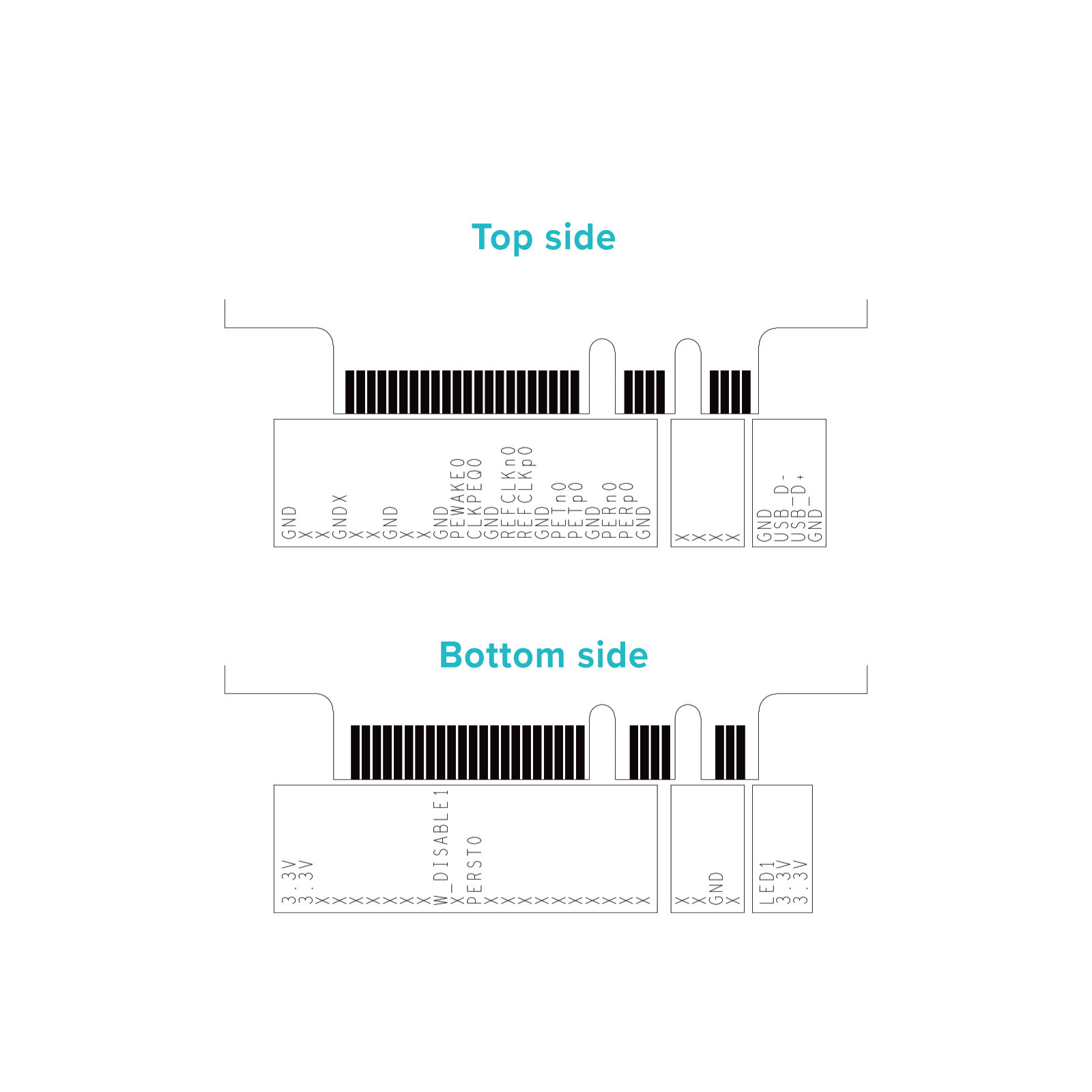
AW7915-AED is a Wi-Fi 6 M.2 AE Key module powered by MediaTek MT7915, delivering a combined PHY rate up to 1800 Mbps with PCIe 2.1 interface support.
Featuring 2T2R architecture (2 spatial streams), dual-band dual-concurrent (DBDC) operation, and optimized RF performance, it ensures stable connectivity, low power consumption, and efficient system integration.
Built for high throughput, security, and scalable deployment.
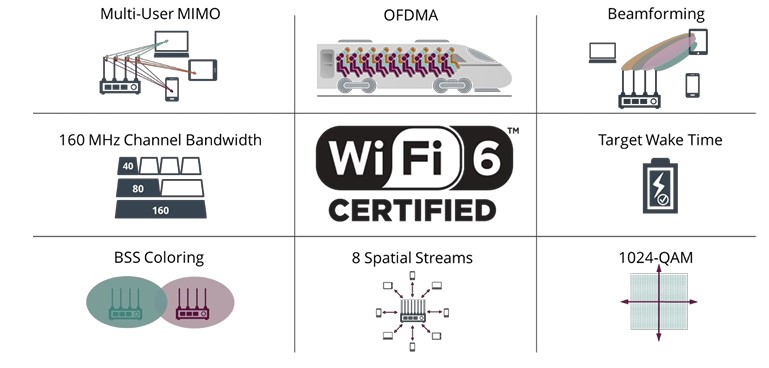
Wi-Fi 6 technologies are designed to maximize network efficiency, ensuring optimal performance for both new and legacy devices in high-density environments.
Key Capabilities & Benefits
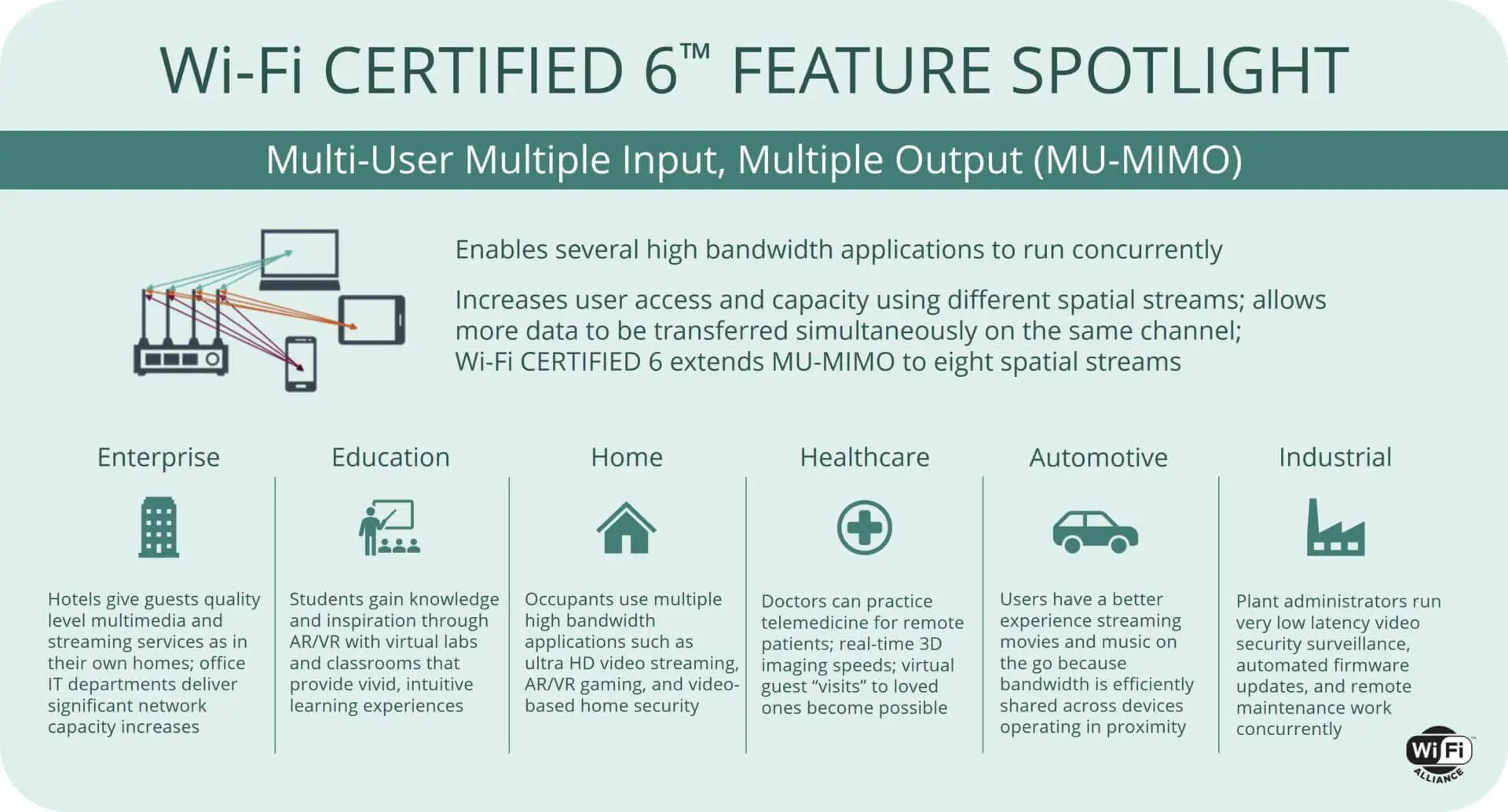
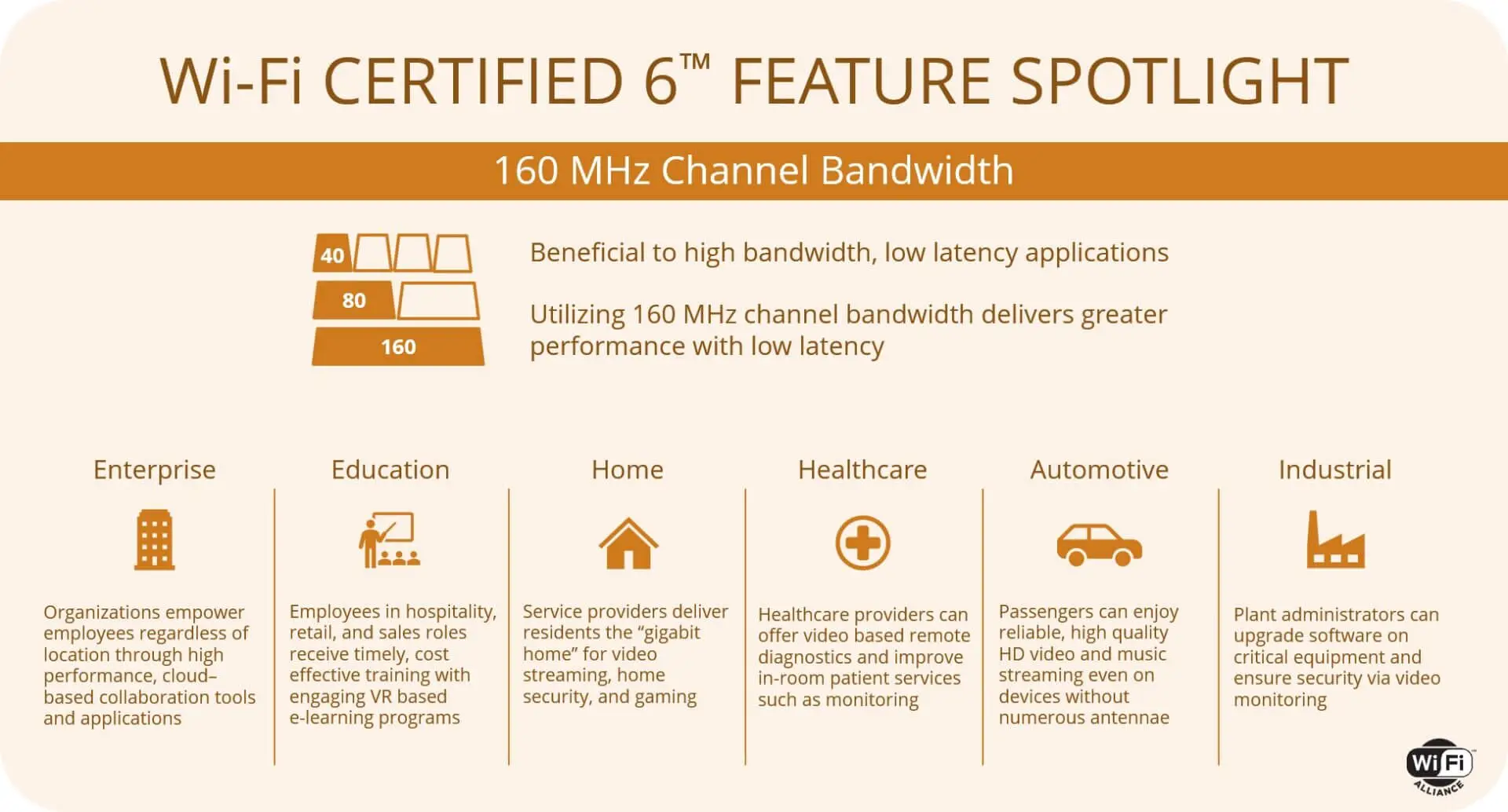
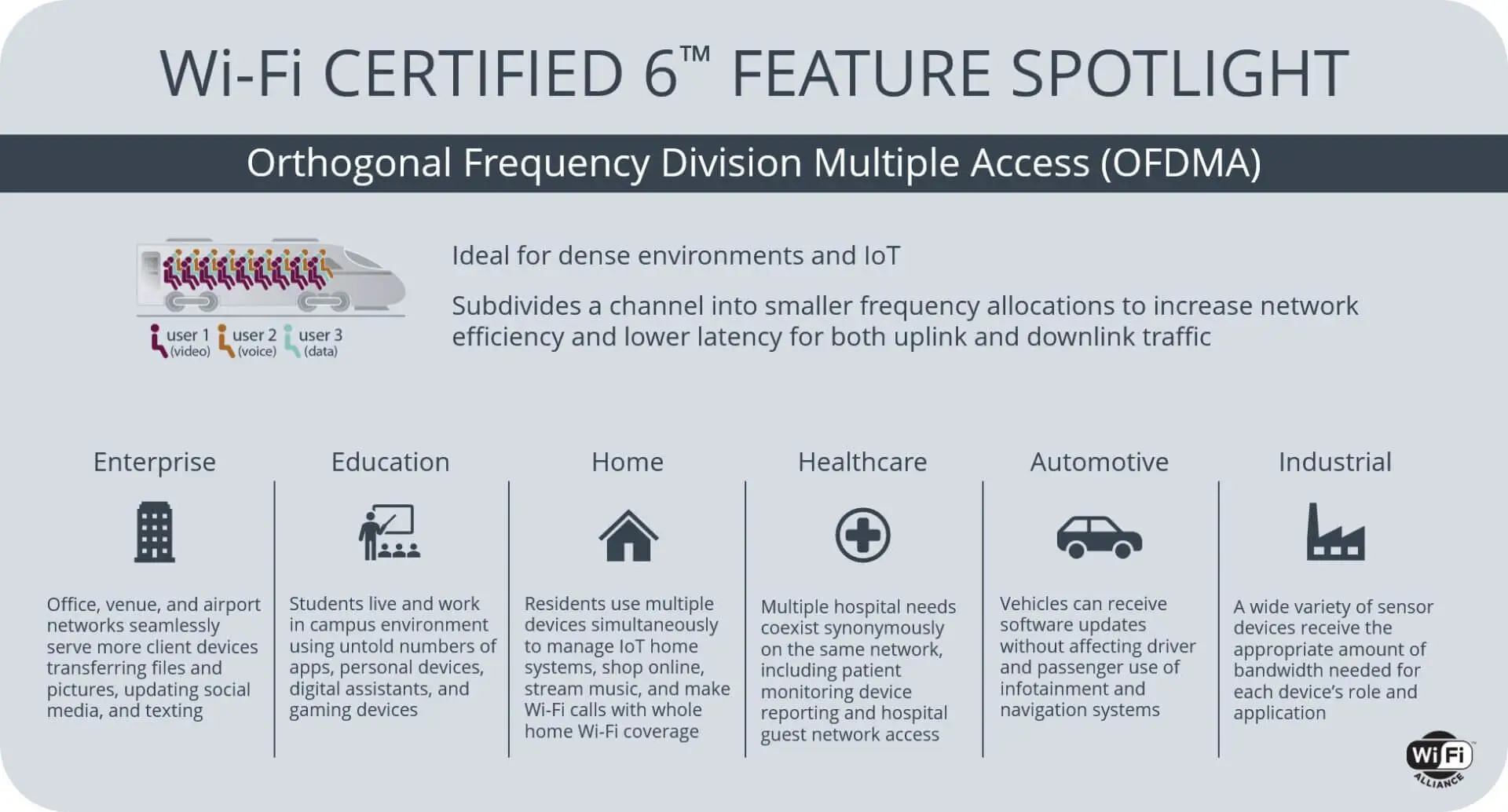
Wi-Fi generation comparison overview
| Feature | Wi-Fi 4 | Wi-Fi 5 | Wi-Fi 6 |
| Channel bandwidth (MHz) | 20, 40 | 20, 40, 80, 80 + 80, 160 | 20, 40, 80, 80 + 80, 160 |
| Frequency bands | 2.4 and 5 GHz | 5 GHz | 2.4 and 5 GHz |
| Maximum data rate | 600 Mbps | 3.5 Gbps* | 9.6 Gbps* |
| Highest subcarrier modulation | 64-QAM | 256-QAM | 1024-QAM |
| Spatial streams | 4 | 4 | 8 |
| Underlying technology | IEEE 802.11n | IEEE 802.11ac | IEEE 802.11ax |
* Depending upon number of spatial streams and channel used
Why AsiaRF
Backed by strategic partnerships with leading chipset providers like MediaTek and Morse Micro, AsiaRF delivers future-ready wireless solutions with strong supply continuity and access to next-generation technologies.
| Standards | Wireless: IEEE 802.11a/b/g/n/ac/ax (2T2R) |
| Data Rate | IEEE 802.11ax 1201 Mbps @ TX/RX (5GHz) IEEE 802.11ac 867 Mbps @ TX/RX (5GHz) IEEE 802.11a/n 300 Mbps @ TX/RX IEEE 802.11a/g 108 Mbps IEEE 802.11b 22 Mbps |
| Output Power | 11b: 23 dBm ± 1.5 dBm @ 11 Mbps 11g: 20 dBm ± 1.5 dBm @ 54 Mbps 11g/n: 20 dBm ± 1.5 dBm @ MCS7, HT20 17 dBm @ MCS7, HT40 11a: 19.5 dBm ± 1.5 dBm @ 54 Mbps 11a/n: 19.5 dBm ± 1.5 dBm @ MCS7, HT20 17 dBm @ MCS7, HT40 11ac HT20: 20 ± 1.5 dBm @ MCS8 11ac HT40: 17 ± 1.5 dBm @ MCS9 11ac HT80: 14.5 ± 1.5 dBm @ MCS9 11ax HT20: 20 ± 1.5 dBm @ MCS9 11ax HT40: 17 ± 1.5 dBm @ MCS9 11ax HT80: 14.5 ± 1.5 dBm @ MCS11 |
| Certification | CE FCC ID: TKZAW7915-NPD IC ID: 9968A-AW7915NPD NCC: CCAF22Y10240T1 |
| Receiver Sensitivity | 11b: -99 dBm @ 11 Mbps 11g: -95 dBm @ 54 Mbps 11g/n: -90 dBm @ HT20, MCS7 -86 dBm @ HT40, MCS7 11a: -90 dBm @ 54 Mbps 11a/n: -85 dBm @ HT20, MCS7 -81 dBm @ HT40, MCS7 11ac: -90 dBm ± 2 dBm @ VHT20 MCS8 11ac: -85 dBm ± 2 dBm @ VHT40 MCS9 11ac: -68 dBm ± 2 dBm @ VHT80 MCS9 11ax: -61 dBm ± 2 dBm @ HE20 MCS11 11ax: -58 dBm ± 2 dBm @ HE40 MCS11 11ax: -55 dBm ± 2 dBm @ HE80 MCS11 |
| Antenna | External antenna connector (IPEX) x3 |
| Frequency Range | US, Canada: 2.412 GHz ~ 2.462 GHz (CH1 ~ CH11) EU, Japan: 2.412 GHz ~ 2.472 GHz (CH1 ~ CH13) 5.15 GHz ~ 5.875 GHz |
| Software | Security: 64/128-bit WEP Encryption, WPA, WPA2 Driver: Linux |
| Operating Voltage | DC 3.3V ± 5% |
| Temperature | Operating: -10°C ~ +70°C Storage: -20°C ~ +90°C |
| Humidity | Operating Humidity: 10% ~ 90% non-condensing Storage Humidity: 10% ~ 90% non-condensing |
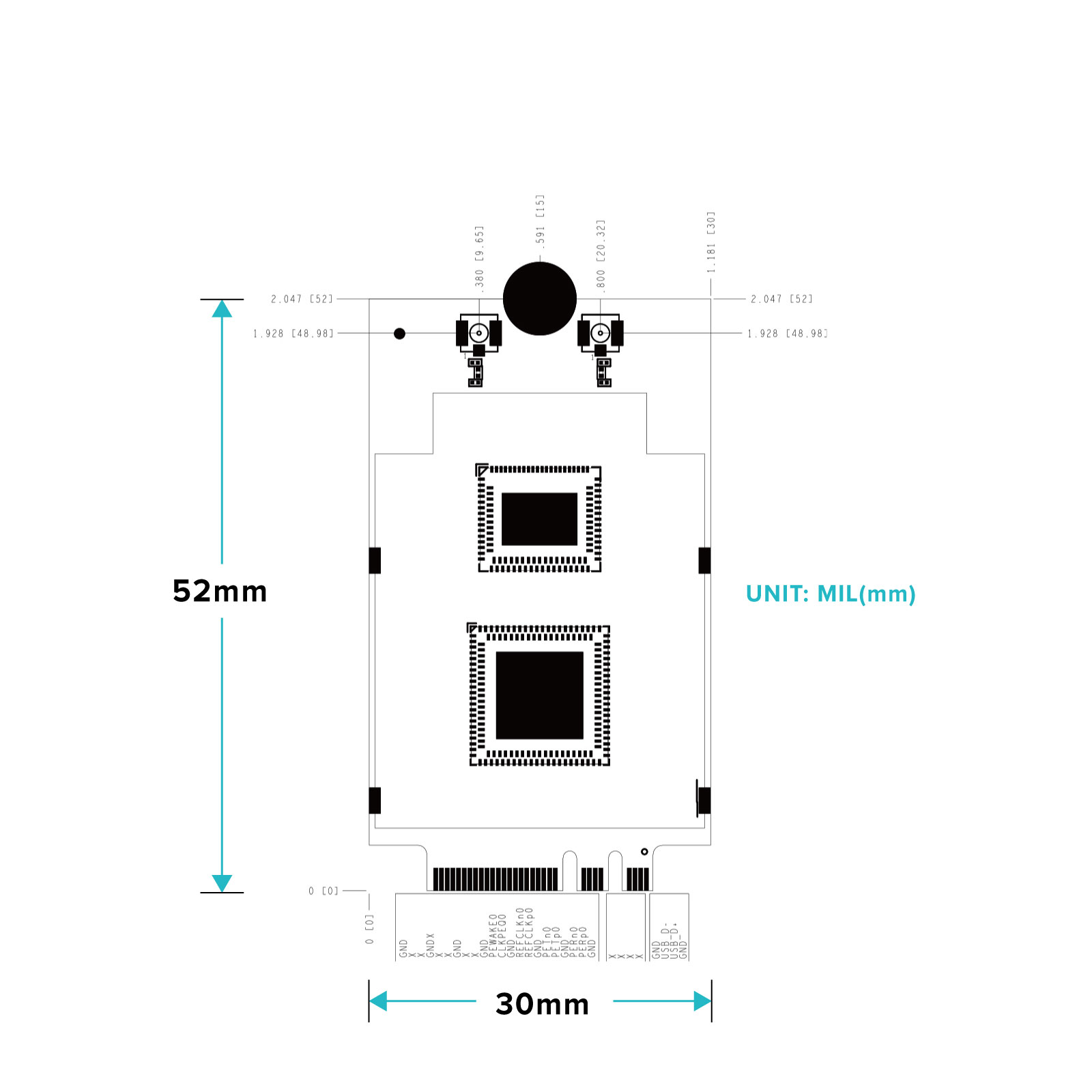
| Dimension | 30 (W) × 52 (L) × 5.1 (H) mm |
Power consumption maximum is 8–9W, typical 4–5W.
Main board power supply design requires 3.3V / 3A (minimum 3.3V / 2.5A)
| Weight | 0.2 kg |
|---|---|
| Dimensions | 15 × 3 × 1.5 cm |