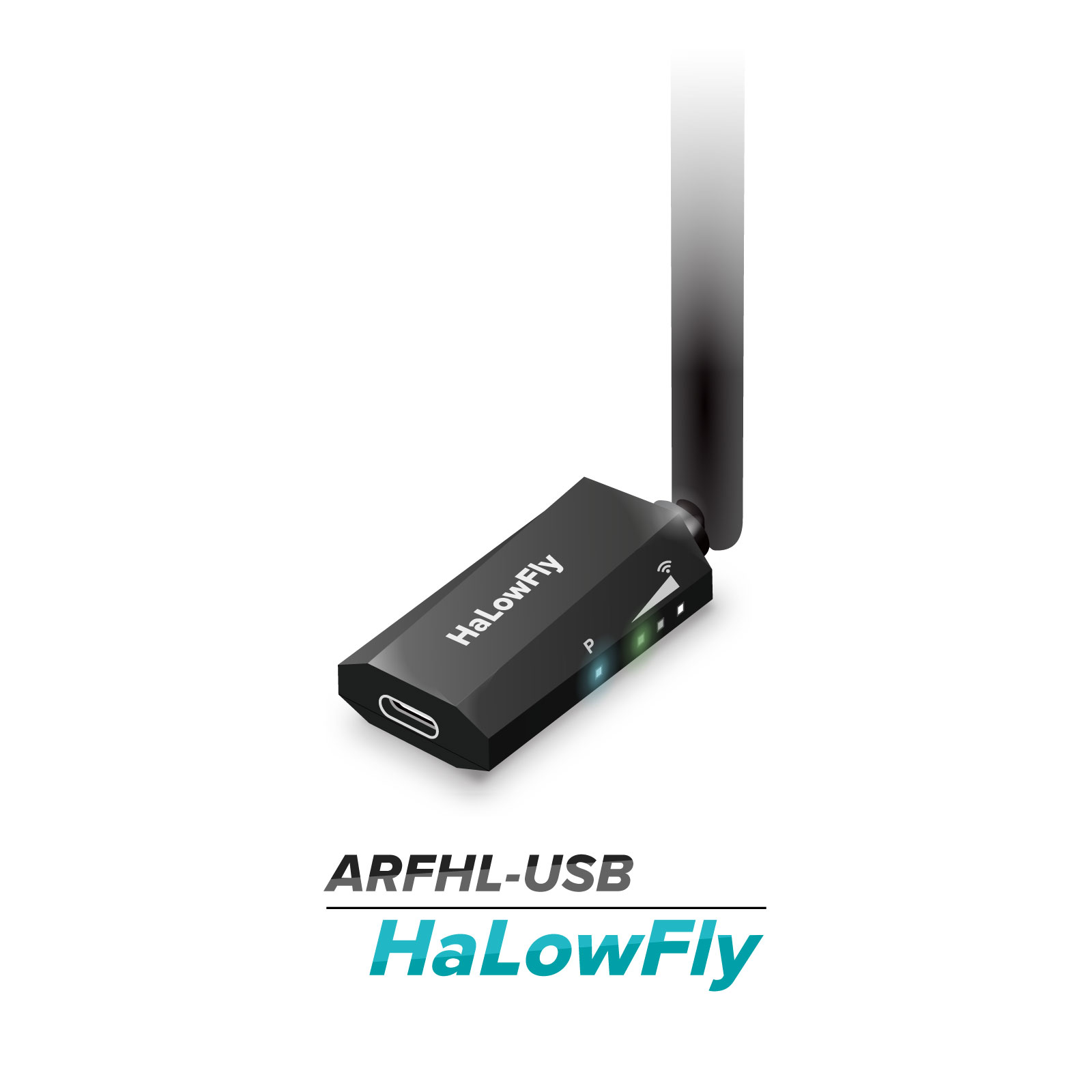


Is Wi-Fi 7 Overkill for IoT? Why the Future of Edge Connectivity Is Multi-Tier
For years, the IoT industry has been built around a straightforward assumption: keep devices small, keep power consumption low, and keep connectivity simple. That approach made sense when most IoT devices were primarily collecting sensor data and sending relatively small amounts of information to the cloud.
But the role of connected devices is changing.
As more intelligence moves from the cloud to the edge, connectivity is becoming more than a way to transfer data. It is increasingly becoming part of the computing architecture itself.And that raises a new question: Does every IoT device still need the same kind of wireless connectivity?
I believe the answer is no.
IoT Is Becoming More Than Sensor Data
The definition of an IoT device is expanding. Today, connected systems may include:
-
AI vision systems processing multiple high-resolution video streams
-
Robotics platforms requiring real-time communication
-
Edge computers running increasingly sophisticated AI models locally
-
Industrial systems coordinating data across multiple devices
-
Intelligent infrastructure combining sensing, processing, and communication
These applications do not all have the same connectivity requirements. A battery-powered sensor transmitting small packets of data may prioritize low power consumption and long communication range. An edge AI computer processing video, coordinating robotic actions, or exchanging large data files may require significantly higher throughput and lower latency.
Treating both devices as if they need the same wireless technology can create unnecessary compromises.
When Connectivity Becomes Part of the Computing Architecture
Traditionally, connectivity was often treated as a supporting function: collect data, transmit it, and let the cloud do the heavy processing. Edge computing changes that model. When AI processing takes place closer to where data is generated, the network must support more than occasional sensor updates. It may need to handle high-volume data exchange, real-time interaction, and communication between multiple intelligent devices.
In these environments, wireless connectivity can influence:
-
How quickly data moves between devices
-
How responsive an application can be
-
How efficiently edge computing resources are utilized
-
How multiple devices coordinate in real time
-
How a system scales as new capabilities are added
This does not mean every edge device needs the highest-performance wireless standard available. It means connectivity should be considered as part of the system design from the beginning.
Where Wi-Fi 7 Becomes Relevant
Wi-Fi 7 is not necessary for every IoT application. But dismissing it as “overkill” for the entire IoT industry overlooks how many edge applications are evolving. For high-performance edge systems, wireless connectivity may need to support demanding workloads such as:
-
High-resolution video transmission
-
AI-enabled vision and analytics
-
Real-time robotics communication
-
High-speed data exchange between edge devices
-
Industrial and enterprise applications requiring responsive wireless connectivity
In these scenarios, higher throughput and lower latency can become important system-level considerations. Wi-Fi 7 is particularly relevant when wireless performance is directly connected to the responsiveness or data requirements of the application. The key question is not whether Wi-Fi 7 is excessive in general.
The more useful question is: What does this particular device need to accomplish?
Where Wi-Fi HaLow Makes More Sense
At the other end of the connectivity spectrum, many IoT devices still need to operate under very different conditions. These devices may transmit relatively small amounts of data but require:
-
Long communication range
-
Low power consumption
-
Reliable connectivity across distributed environments
-
Efficient operation for remote or battery-powered nodes
For these applications, Wi-Fi HaLow offers a different set of advantages. Built around the IEEE 802.11ah standard, Wi-Fi HaLow operates in sub-GHz spectrum and is designed for long-range, low-power wireless connectivity. This makes it relevant to applications such as:
-
Smart city infrastructure
-
Industrial IoT sensing
-
Environmental monitoring
-
Agriculture and remote monitoring
-
Distributed sensors and connected infrastructure
A long-range IoT sensor and a high-performance edge AI computer do not need to compete for the same connectivity profile. They need technologies that match their respective roles.
The Future Is Not One Wireless Standard
As IoT deployments become more sophisticated, the idea of selecting one wireless technology for every device becomes increasingly limiting. These categories are not mutually exclusive, and actual requirements depend on the application. But they illustrate why a multi-tier connectivity strategy can be more practical than a one-standard approach. The future of IoT is not necessarily about replacing one wireless technology with another.
It is about choosing the right wireless technology for each node—and making those technologies work together as one system.
Building Connectivity for Different Layers of the System
At AsiaRF, this is a direction we continue to explore through our wireless solutions. Our portfolio includes:
-
Wi-Fi 7 modules for high-performance wireless and edge computing applications
-
Wi-Fi HaLow modules and platforms for long-range IoT connectivity
-
OpenWrt-based platforms designed to support flexible networking and connectivity integration
The objective is not to suggest that every application requires every technology.Instead, it is to support system designers as they evaluate different connectivity requirements across devices, networks, and deployment environments. A connected system may need long-range IoT nodes at the edge, high-performance wireless links for local processing, and a platform capable of bringing these layers together. That is where flexibility becomes important.
Designing the Right Connectivity Tier
For engineers and system architects working on edge AI, robotics, and intelligent infrastructure, connectivity decisions may increasingly begin with a different set of questions:
-
What kind of data does each device generate?
-
How much throughput does the application actually require?
-
How important are latency and real-time responsiveness?
-
Does the device need to operate over long distances or under power constraints?
-
How will different connectivity technologies coexist within the same deployment?
These questions help move the discussion beyond choosing a wireless standard based on popularity or specifications alone. The right connectivity strategy starts with the role each device plays in the system.
A More Flexible Future for IoT
IoT is evolving from a collection of connected sensors into a more intelligent, distributed computing environment. As that happens, wireless connectivity will need to serve different layers of the system—from low-power, long-range sensing to high-performance edge processing.
Wi-Fi 7 and Wi-Fi HaLow are not necessarily competing answers to the same problem. In many deployments, they may address different requirements within the same broader architecture. The future of IoT is not about choosing one wireless standard. It is about choosing the right wireless technology for each node—and making them work together as one system. That is where we believe edge AI and wireless infrastructure are heading.
How are you deciding which connectivity tier each device actually needs?
Sincerely,

CEO of AsiaRF