

How Wireless Technology Can Advance Sustainability
The greenest energy is the energy we never waste.
I believe sustainability is about more than reducing electricity consumption. It is about rethinking how we use resources, how we operate businesses, and how technology can help us create more value with less waste.
Every unnecessary maintenance trip, inefficient irrigation cycle, defective product, and avoidable delivery consumes resources. These inefficiencies may seem small individually, but their impact adds up across industries and communities.
At AsiaRF, I believe smarter wireless connectivity can help us address these challenges by connecting devices, improving operational visibility, and enabling better decisions.
Here are four areas where I see wireless technology making a practical difference.
1. Smart Agriculture: Using Water and Resources More Wisely
Agriculture depends on water, energy, and labor. Without reliable field data, irrigation and maintenance activities can consume more resources than necessary.
With Wi-Fi HaLow connectivity, solutions such as our ARFHL-OD outdoor MESH gateway can help connect distributed sensors and devices across agricultural environments.
Imagine farmers monitoring field conditions remotely, optimizing irrigation based on real-time data, and reducing unnecessary trips to inspect equipment.
To me, this is what practical sustainability looks like: helping people manage resources more intelligently while improving operational efficiency.
2. Smart Cities: Making Infrastructure Work Smarter
Cities need reliable connectivity to monitor street lighting, environmental conditions, and distributed infrastructure.
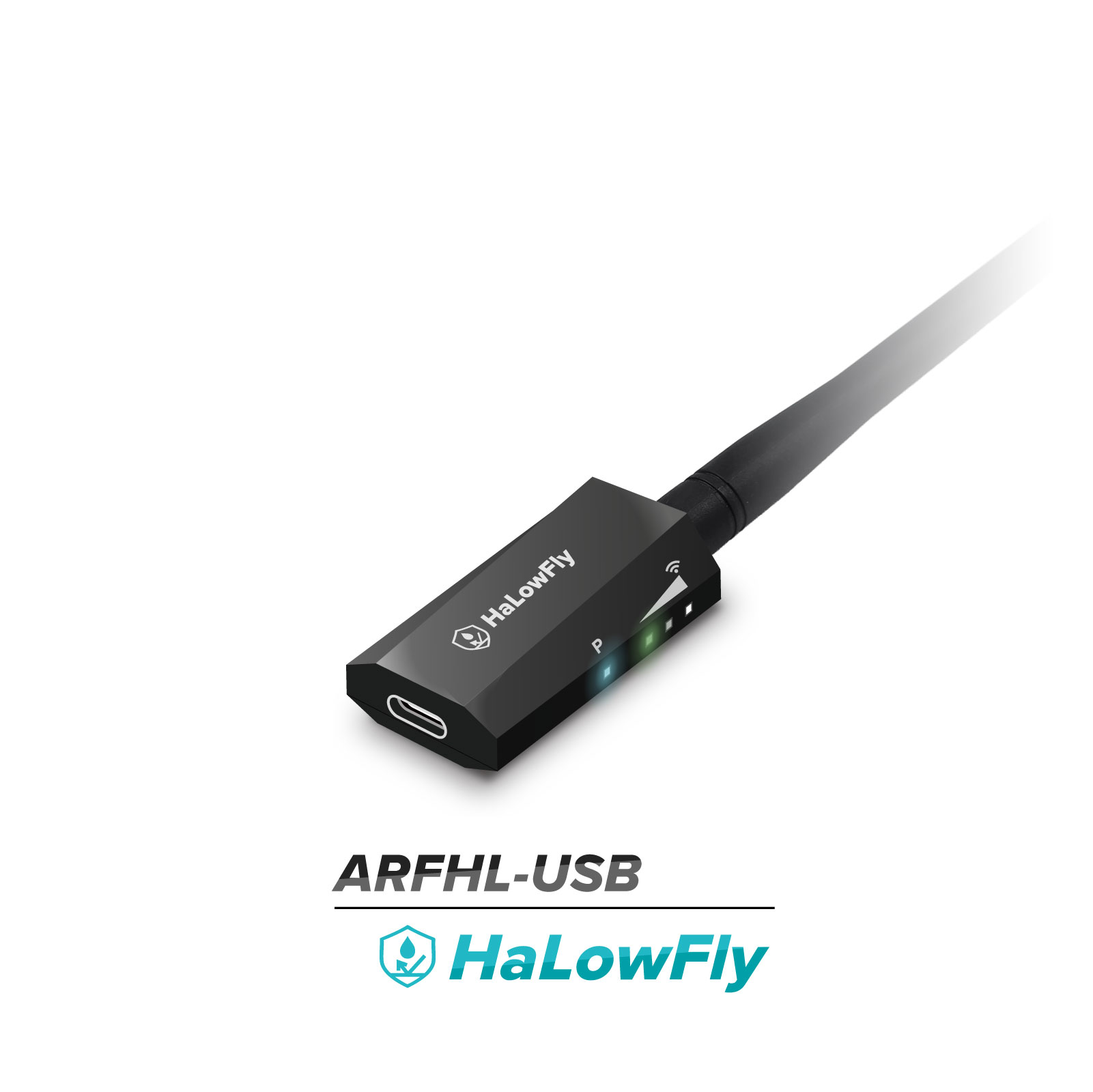
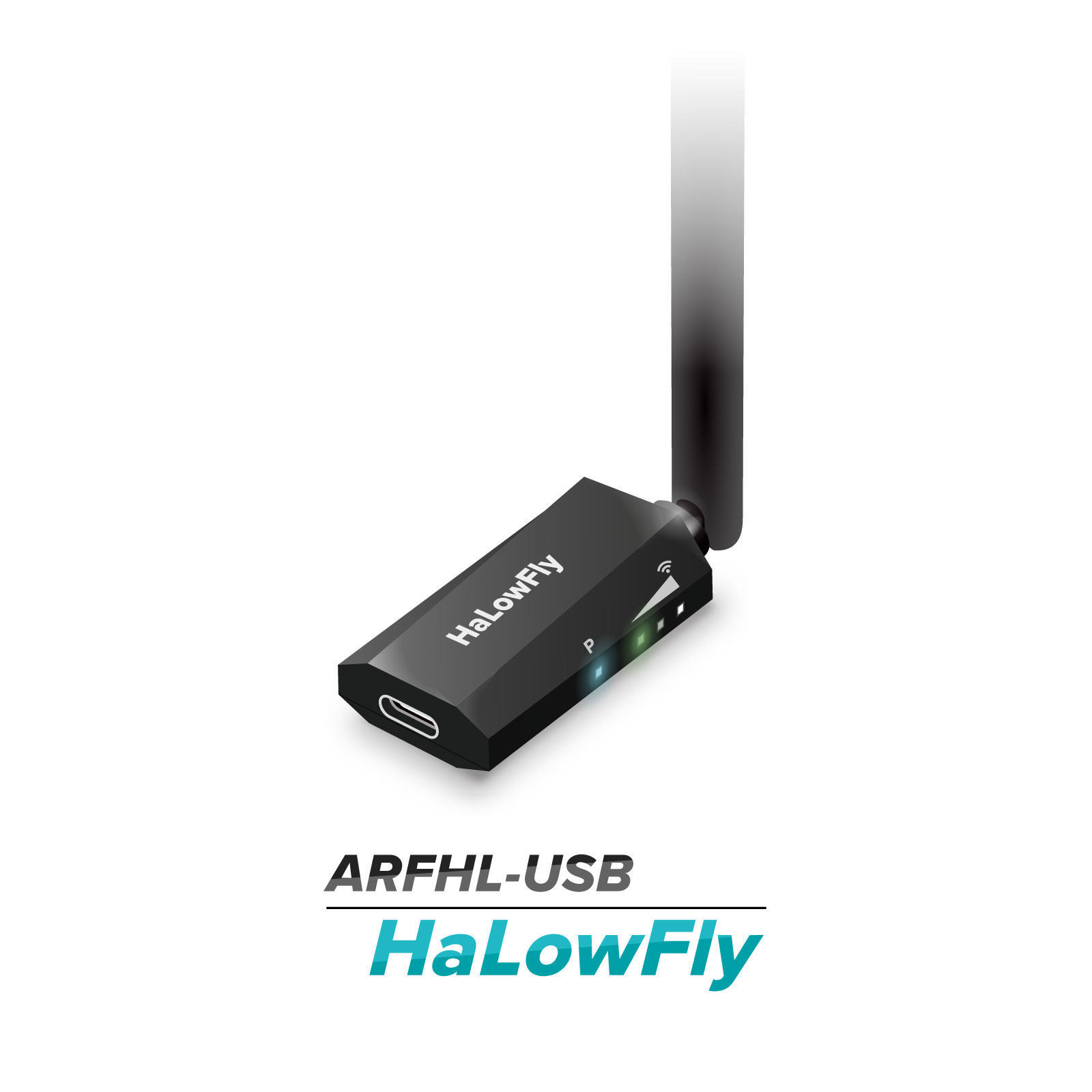
Our ARFHL-AP and HaLowFly solutions support Wi-Fi HaLow connectivity for IoT applications, helping enable connected infrastructure and remote monitoring.
When systems can respond to actual operating conditions, cities have more opportunities to optimize lighting, identify problems earlier, and reduce avoidable maintenance visits.
I believe smarter cities are not simply cities with more connected devices. They are cities that use data and connectivity to deliver better services with fewer wasted resources.
3. Smart Manufacturing: Turning Connectivity into Less Waste
Manufacturing waste is not limited to discarded materials. It also includes equipment downtime, defective products, and inefficient production processes.
Our AW7990-AED Wi-Fi 7 module can support high-performance wireless connectivity in systems that require fast data transmission. Combined with Edge AI, this connectivity can help enable applications such as visual quality inspection, predictive maintenance, and real-time production monitoring.
The real opportunity lies in using data to identify problems earlier, improve production decisions, and avoid unnecessary waste.
Technology alone does not guarantee these results. But when connectivity, intelligent analytics, and well-designed processes work together, manufacturers have more opportunities to improve efficiency and resource utilization.
4. Smart Logistics: Eliminating Unnecessary Transportation
Transportation is another area where small operational improvements can create a meaningful cumulative impact.
Connected vehicles, warehouses, and assets can provide better visibility into logistics operations. OpenWrt-based edge gateways can serve as part of the connectivity infrastructure supporting monitoring and data exchange.
Consider this example: if 100 vehicles each eliminate just 5 kilometers of unnecessary driving per operating day, across 260 operating days, the fleet would avoid 130,000 kilometers of driving annually.
This is an illustrative scenario, not a measured customer result. Actual savings depend on routing, fleet operations, and implementation.
Nevertheless, it demonstrates an important principle: improving how we use information can help us reduce unnecessary resource consumption at scale.
My Perspective: Sustainability Must Deliver Practical Value
I do not believe sustainability should be treated as a separate objective from business performance.
Reducing waste, improving efficiency, and making better use of resources can benefit both the environment and the business. The challenge is to turn these ambitions into practical, measurable improvements.
Wireless connectivity is one part of that equation. Wi-Fi HaLow can support long-range IoT deployments, Wi-Fi 7 can provide high-speed connectivity, and Edge AI can help systems analyze data closer to where it is generated.
When these technologies are applied to the right problems, they can help businesses build smarter operations and make more informed decisions.
At AsiaRF, our role is to develop connectivity solutions that help make these applications possible.
I believe the next step toward a more sustainable future is not simply to consume less. It is to use technology to eliminate waste, improve how we operate, and create greater value from the resources we already have.
Sincerely,

CEO of AsiaRF